
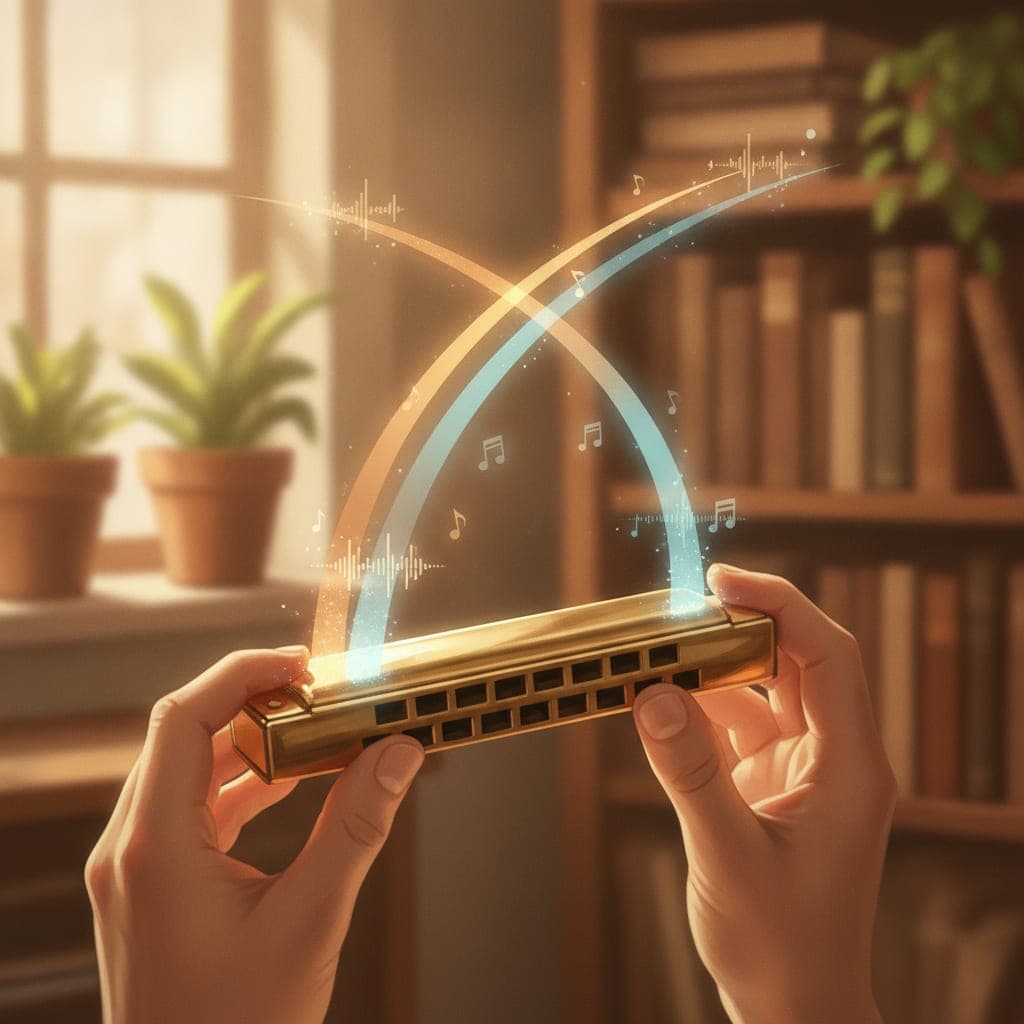
Mastering Octaves & Splits: Elevate Your Harmonica Skills
Introduction to Octaves and Splits
Hello, harmonica enthusiasts! Whether you're strumming along to "Oh Susanna" or jamming with John Henry Hopkins Jr's holiday classics like "We Three Kings," adding depth to your harmonica playing can be a game-changer. Today, we’re diving into octaves and splits, two fantastic techniques that will enrich your sound and offer new dimensions to your music.
What Are Octaves and Splits?
In harmonica playing, octaves and splits involve playing two notes simultaneously. These techniques enhance the texture and fullness of your music, whether you're playing Blues or Classical tunes.
- Octaves: This technique involves playing the same note in two different octaves. On a harmonica, this means you’ll be playing a note on one hole and its octave counterpart on another.
- Splits: Similar to octaves, but with a twist; you play two different notes that harmonize well together, creating a rich and layered sound.
Why Use Octaves and Splits?
- Fuller Sound: Playing octaves or splits makes your harmonica sound fuller and more resonant.
- Versatility: These techniques are versatile, fitting well into various genres, from Blues to Children's Songs.
- Musicality: They add a layer of musicality that single notes can’t achieve, perfect for enhancing pieces like "O Christmas Tree."
How to Play Octaves on Harmonica
To play octaves on a harmonica, you'll need to perfect your embouchure, which is the way you shape your mouth to direct airflow into the harmonica.
- Select the Right Harmonica: Generally, a ten-hole diatonic harmonica works well for octaves.
- Positioning: Place your mouth over four holes but block the middle two with your tongue.
- Practice: Start with blow notes, as they are often easier to control.
- Try with Draw Notes: Once comfortable, practice with draw notes.
A great song to practice octaves with is "Subterranean Homesick Blues," which benefits from a robust, full sound.
How to Play Splits
Splits are slightly more challenging but equally rewarding.
- Choose Notes Carefully: Typically, use notes that are two or three holes apart.
- Tongue Blocking: Block the holes between the notes you want to play with your tongue.
- Experiment: Try different note combinations to see what sounds best.
- Use Songs for Practice: "I Will Survive" by Gloria Gaynor offers a fun challenge for practicing splits.
Tips for Mastering Octaves and Splits
- Start Slow: Begin with simple songs like "Oh Susanna" to get comfortable with the techniques.
- Consistent Practice: Like any skill, regular practice is key.
- Listen and Learn: Listen to recordings of seasoned players to understand how octaves and splits enhance a piece.
- Be Patient: These techniques can take time to master, so be patient with your progress.
Conclusion
Adding octaves and splits to your harmonica repertoire can transform your playing from good to great. With practice, patience, and experimentation, you'll find these techniques open up a new world of possibilities in your music. Dive into songs like "We Three Kings" by John Henry Hopkins Jr to hear the magic yourself.
Ready to take your harmonica skills to the next level? Grab your harmonica, start practicing these techniques, and embrace the richness they bring to your music. Happy playing, and keep harmonizing!
Share this article
Ready to Start Playing?
Browse our collection of harmonica tabs and start learning your favorite songs today.
Explore SongsSomething missing or not working?Suggest an improvement